
Composite Bonding in Barnet
Got a chipped tooth, a small gap, or a tooth that’s just slightly the wrong shape? Composite bonding may be used to improve these concerns, often in a single visit depending on the case. At Mona Lisa Smiles in Barnet, we use composite bonding to help patients enhance their smiles.
Using carefully applied tooth-coloured composite resin, we can improve the appearance of chipped, uneven, worn, or discoloured teeth while preserving as much natural tooth structure as possible.
What Is Composite Bonding?
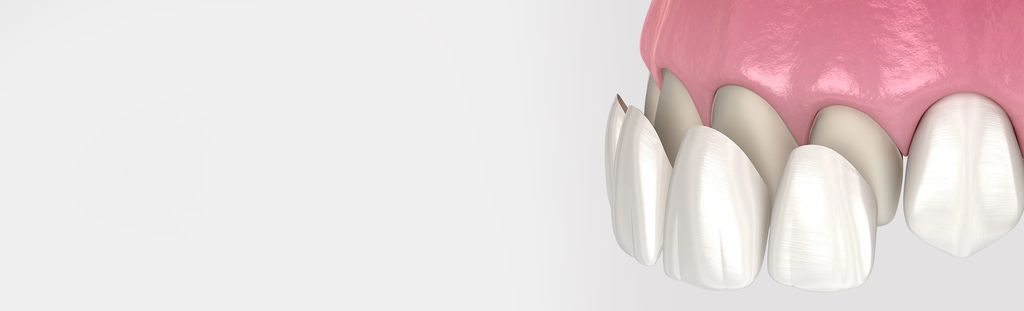
Composite bonding involves applying a specially selected tooth-coloured resin directly to the tooth surface. The material is carefully shaped, sculpted, and polished, designed to blend naturally with your surrounding teeth. It can be used to repair chipped teeth, improve tooth shape, close small gaps, lengthen worn teeth, correct minor imperfections, and mask discolouration.
Why Choose Composite Bonding?
The Composite Bonding Process
We begin with a consultation to discuss your goals and assess your suitability, then plan your treatment to achieve the most natural-looking result. In many cases, little or no drilling is required. The composite resin is applied in layers, carefully shaped, then polished to a smooth, natural finish.
Composite Bonding vs Porcelain Veneers
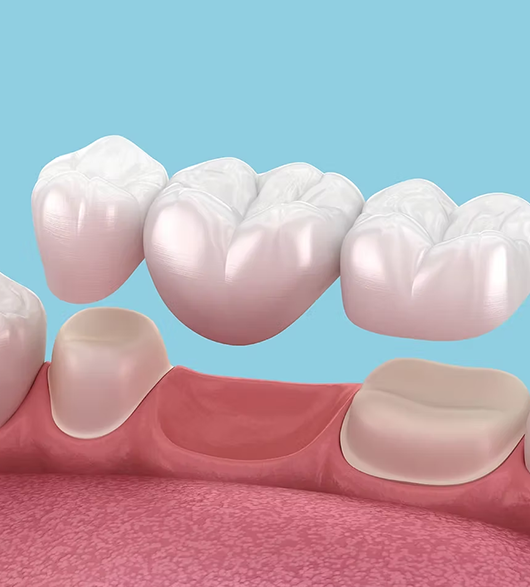
Composite bonding is usually completed in one visit, is minimally invasive, cost-effective, and easily repairable. Porcelain veneers are custom-made in a laboratory, are highly durable, and offer good stain resistance with results that can last many years. During your consultation, we’ll help you decide which option suits your goals.
How Long Does Composite Bonding Last?
Longevity depends on your oral hygiene, lifestyle habits, and where the bonding is placed. With proper care, composite bonding can provide many years of good results, supported by regular dental examinations and hygiene appointments.
Caring for Composite Bonding
- Brushing twice daily
- Flossing regularly
- Attending routine dental check-ups
- Scheduling professional hygiene appointments
- Avoiding biting hard objects
Why Choose Mona Lisa Smiles?
- Natural-looking smile enhancements, not an obvious “done” look
- Conservative treatment techniques that preserve your tooth structure
- Personalised treatment planning for every patient
- Attention to detail in shaping and finishing
Frequently Asked Questions
Composite bonding is typically comfortable and often requires little or no anaesthetic.
Many cases can be completed in a single appointment, depending on how many teeth are involved.
Composite bonding is generally a minimally invasive treatment and often requires little or no removal of healthy tooth structure, depending on the individual case.
Yes. One advantage of bonding is that it can often be repaired or adjusted if needed.
Book Your Consultation
Book your composite bonding consultation today. If you’d like to explore a minimally invasive way to improve your smile, our team in Barnet is here to help.